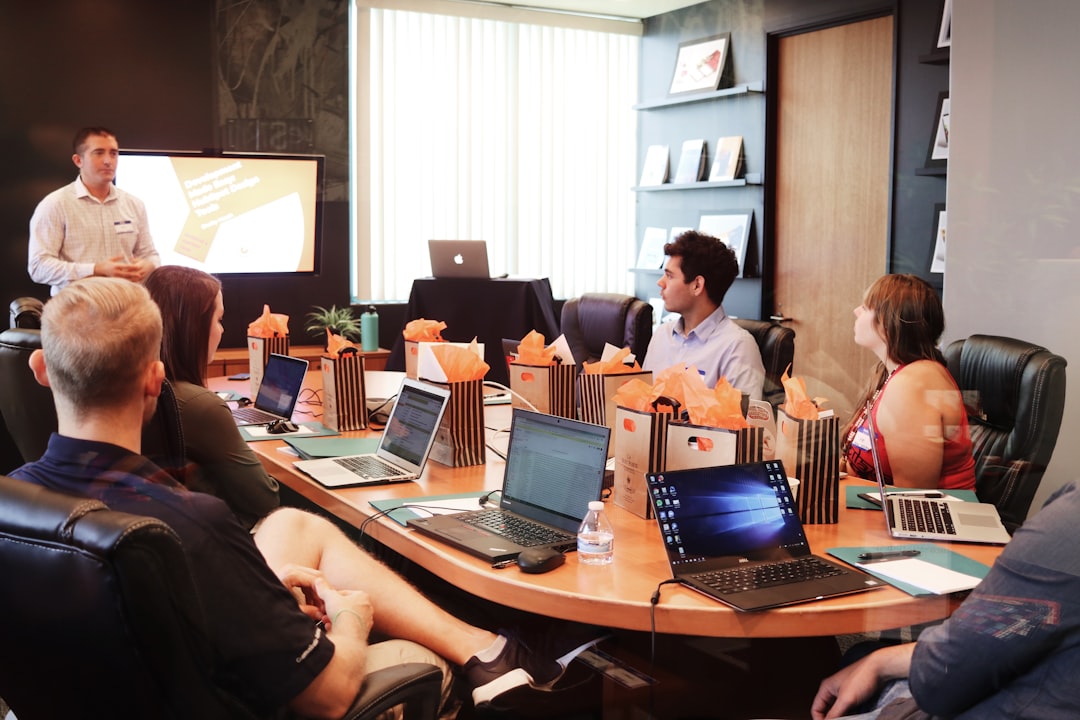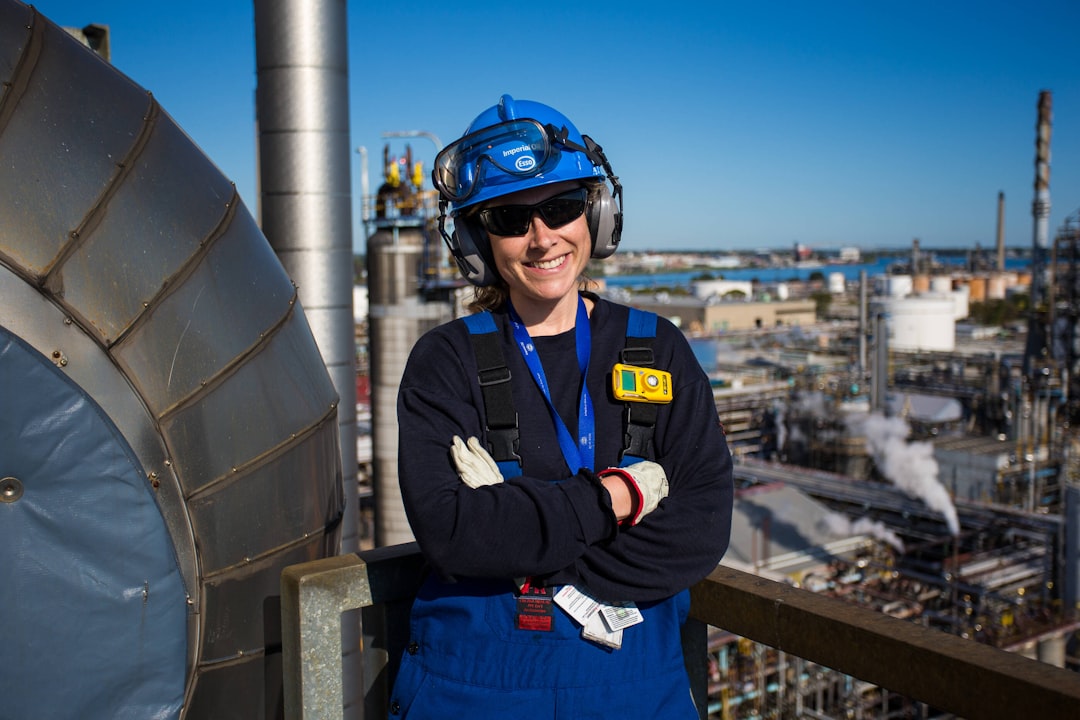
A newly promoted supervisor and a regional director face the same word — "leadership" — but almost nothing about their actual challenge is the same. One is learning how to give feedback to former peers for the first time. The other is managing stakeholder politics across three countries and a board that expects a strategic narrative, not just operational results. Most leadership training fails because it treats both problems as one problem. It isn't.
This guide breaks leadership development down by career stage, because the skills that make someone a strong first-time supervisor are not the skills that make them a strong executive five years later — and building the wrong capability at the wrong stage wastes both time and budget.
Stage 1: First-Time Supervisors — From Doing the Work to Leading the Work
The hardest transition in most careers isn't the one to senior leadership — it's the first one, from individual contributor to supervisor. New supervisors are usually promoted for technical excellence, then handed authority over people with no structured preparation for what that actually requires: delegating without micromanaging, giving feedback without damaging relationships, and setting priorities for a team instead of just for themselves.
This stage calls for Achieving Supervisory Excellence, which builds the foundational supervisory skills most new managers are never explicitly taught, and Mastering People Management & Team Leadership, which addresses the people-management fundamentals — motivation, accountability, day-to-day team dynamics — that determine whether a new supervisor earns trust or loses it in the first six months.
Stage 2: Middle Managers — Leading Leaders, Not Just Teams
Middle management is arguably the most demanding leadership stage, and the most underinvested in. Middle managers absorb pressure from above and below simultaneously — translating strategy into execution for their teams while managing upward expectations from senior leadership, often without the authority to change the constraints they're asked to work within.
The Middle Manager Development Programme is built specifically for this squeeze — developing the influence, prioritization, and cross-functional coordination skills that technical or supervisory training doesn't cover. Because this is also the stage where team performance becomes a direct reflection of leadership quality, Leading High Performing Teams builds the specific capability to diagnose what's actually limiting a team's output and address it directly.
Stage 3: Senior Leaders — Leading Change and Ambiguity
By the time someone reaches senior leadership, the core challenge stops being about managing tasks or even teams — it becomes about leading through ambiguity, organizational change, and decisions with no clearly right answer. Senior leaders are judged less on operational execution and more on how well they navigate transitions the organization hasn't faced before.
Leading and Managing Change builds the structured frameworks senior leaders need to guide teams through disruption without losing momentum or trust, while Strategic Organisational Leadership develops the capability to align an entire organization's structure and culture behind a strategic direction — not just a single team's output.
Stage 4: Executive Leadership — Strategic Judgment at Scale
At the executive level, leadership development shifts from skill-building to judgment-building — the ability to weigh competing strategic priorities, read markets and stakeholders correctly, and make high-stakes decisions with incomplete information. This is rarely taught through single-topic courses; it requires broader strategic exposure.
The Oxford 10-Day MBA condenses exactly that kind of strategic breadth into an intensive executive format, giving senior leaders a structured framework for the kind of cross-functional, board-level thinking their role now demands.
The Cross-Cutting Skills That Matter at Every Stage
Two capabilities matter regardless of career stage, and both are frequently underestimated:
Emotional intelligence determines whether technical competence translates into actual influence — how feedback lands, how conflict gets resolved, how trust gets built. Emotional Intelligence for Workplace Success builds this as a deliberate, trainable skill rather than leaving it to individual disposition.
AI-driven leadership is quickly becoming a baseline expectation rather than a specialization, as AI tools reshape how teams plan, communicate, and make decisions. AI-Driven Leadership: Managing Teams for Innovation and Sustainable Success prepares leaders at any stage to integrate AI into how they lead, not just what their teams produce.
Matching the Training to the Actual Challenge
The organizations that get the strongest return from leadership development aren't the ones that send everyone through the same generic program — they're the ones that match training to the specific challenge of each career stage. A first-time supervisor and a senior director have different problems, and they need different training to solve them.
Build Leadership Capability at Every Level — with Gulf Rowad
Gulf Rowad (رواد الخليج) offers a full spectrum of leadership development programs, from first-time supervisors to executive leadership, delivered across Dubai, Abu Dhabi, and the wider GCC.
Explore Leadership Programs by Career Stage
- Achieving Supervisory Excellence — for new supervisors
- Mastering People Management & Team Leadership — for new supervisors
- The Middle Manager Development Programme — for middle managers
- Leading High Performing Teams — for middle managers
- Leading and Managing Change — for senior leaders
- Strategic Organisational Leadership — for senior leaders
- The Oxford 10-Day MBA — for executives
- Emotional Intelligence for Workplace Success — for every level
- AI-Driven Leadership: Managing Teams for Innovation and Sustainable Success — for every level